Giuseppe Penone presents The Reflection of Bronze, an exhibition highlighting cork
11 May 2026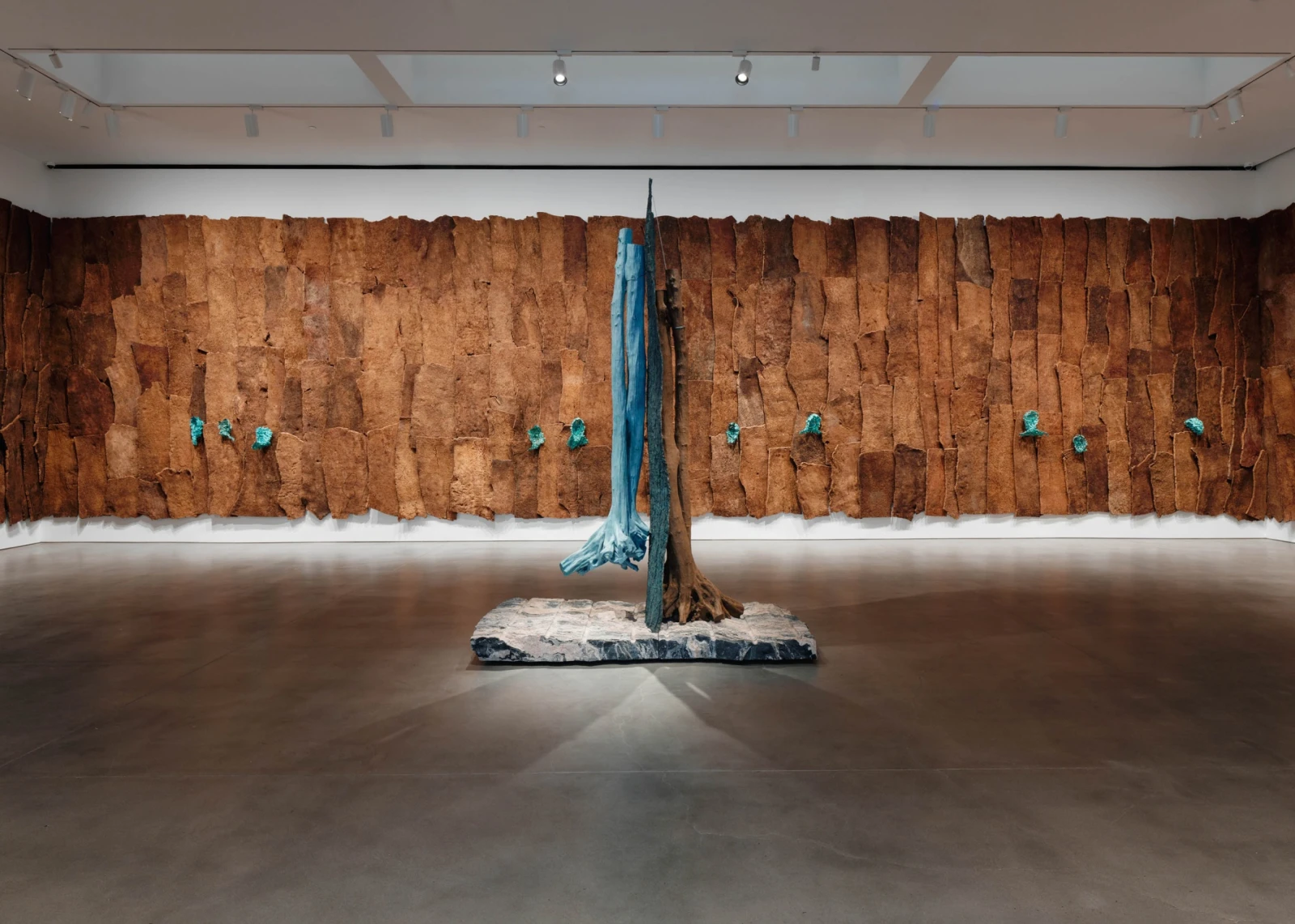
The exhibition opened at the Gagosian Gallery in New York on 22 April and features two major bodies of work, with cork as one of the central elements of the installation.
Curated by Adam D. Weinberg, director emeritus of the Whitney Museum of American Art, also in New York, the exhibition stems from the research Giuseppe Penone has been conducting since the late 1960s on trees and the relationship between the human body and nature. This journey, which gave rise to his renowned wooden sculptures, now continues with artwork in bronze, a material through which he explores ideas of permanence, transformation and the passage of time.
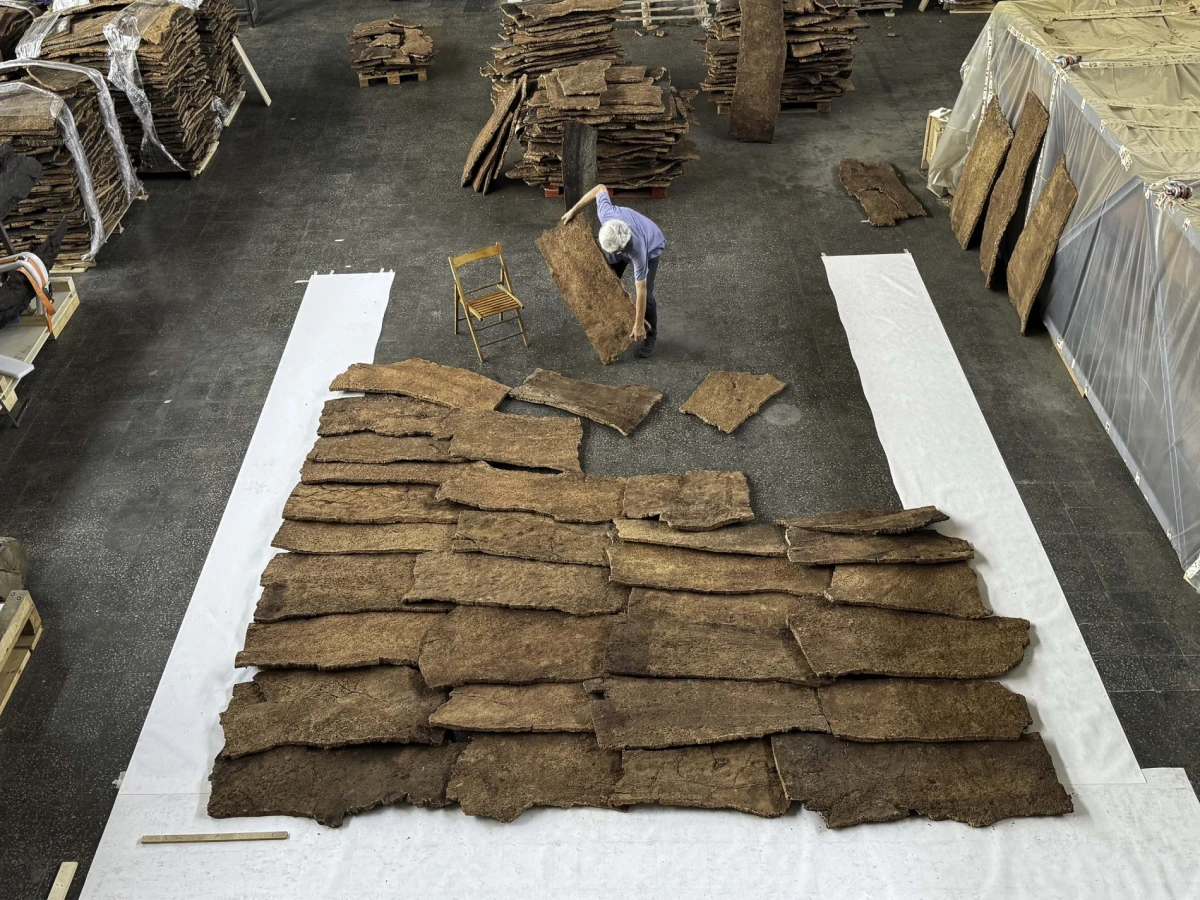
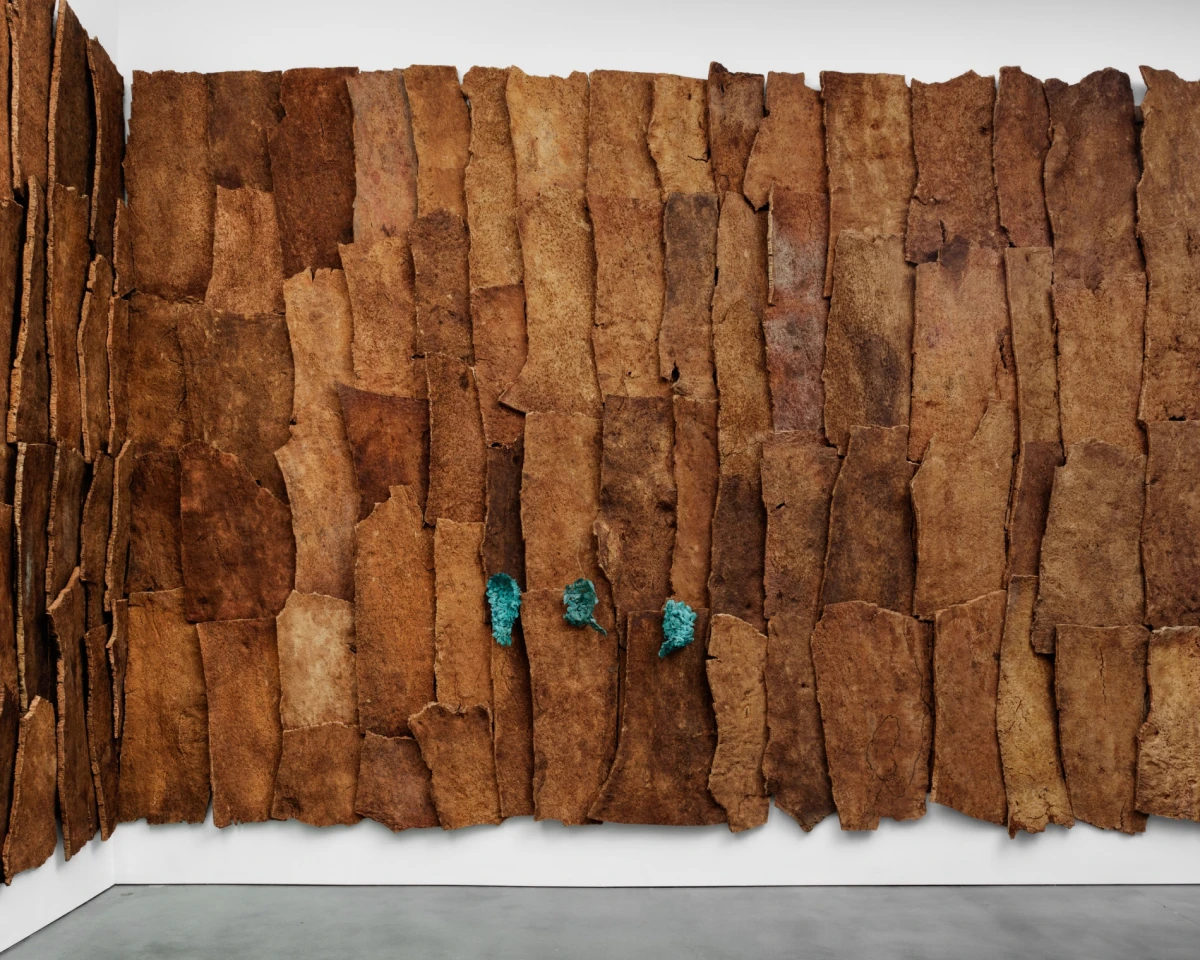
The sensory dimension of the exhibition gains greater impetus, however, through the use of cork. In the first of the three rooms of the exhibition route, the space opens up, clad from floor to ceiling with cork planks - the renewable bark of the cork oak - to create an immersive atmosphere in which bronze is also integrated.
The artist’s relationship with cork stems from the way this material embodies the idea of time. “I am fascinated by the production of cork, which is based on time. Cork oaks grow for 40 years before being stripped for the first time; then, for nine years, they grow a new bark that will be stripped, and then another nine years, and so on… I have seen plantations of young oak trees that will be stripped in two generations’ time. A “forest-factory” of cork that operates in tune with the trees’ natural life cycle, flanked by generations after generations of men, counting the years of the forest’s growth.”, states the artist.
A sculpture, Marsia (Marsyas), stands in the centre of this same room. This sculpture is inspired by the Greek myth of Marsyas, the satyr who lost a musical contest to Apollo and was condemned to be flayed alive whilst suspended from a tree. The work consists of two interlinked bronze branches, one covered in bark and the other bare, simultaneously evoking vulnerability, transformation and resilience.
“Upon entering the gallery of my exhibition at Gagosian in New York, one is enveloped by the years of growth of the cork that covers the walls,” describes Giuseppe Penone.
The artist continues to explore the relationship between matter and time throughout the exhibition, using materials such as bronze, wood and cork to reflect on natural cycles, metamorphosis and the permanence of forms.
About Giuseppe Penone
A central figure in the Italian Arte Povera movement, he has developed an artistic catalogue since the late 1960s that shifts between sculpture, performance and drawing. His work stems from interventions carried out in natural landscapes in northern Italy, particularly in the region of Piedmont, where he began by exploring the direct relationship between the body and trees’ growth processes.
The artist, building on these early experiences, has developed a body of work situated between the observation of natural processes and the transformation of matter, including series in which he directly intervenes on tree trunks to reveal their different growth stages. This approach has expanded to other materials and grown in scale over the decades, whilst maintaining an interest in the organic mechanisms that structure the passage of time.
@ Archivio Penone