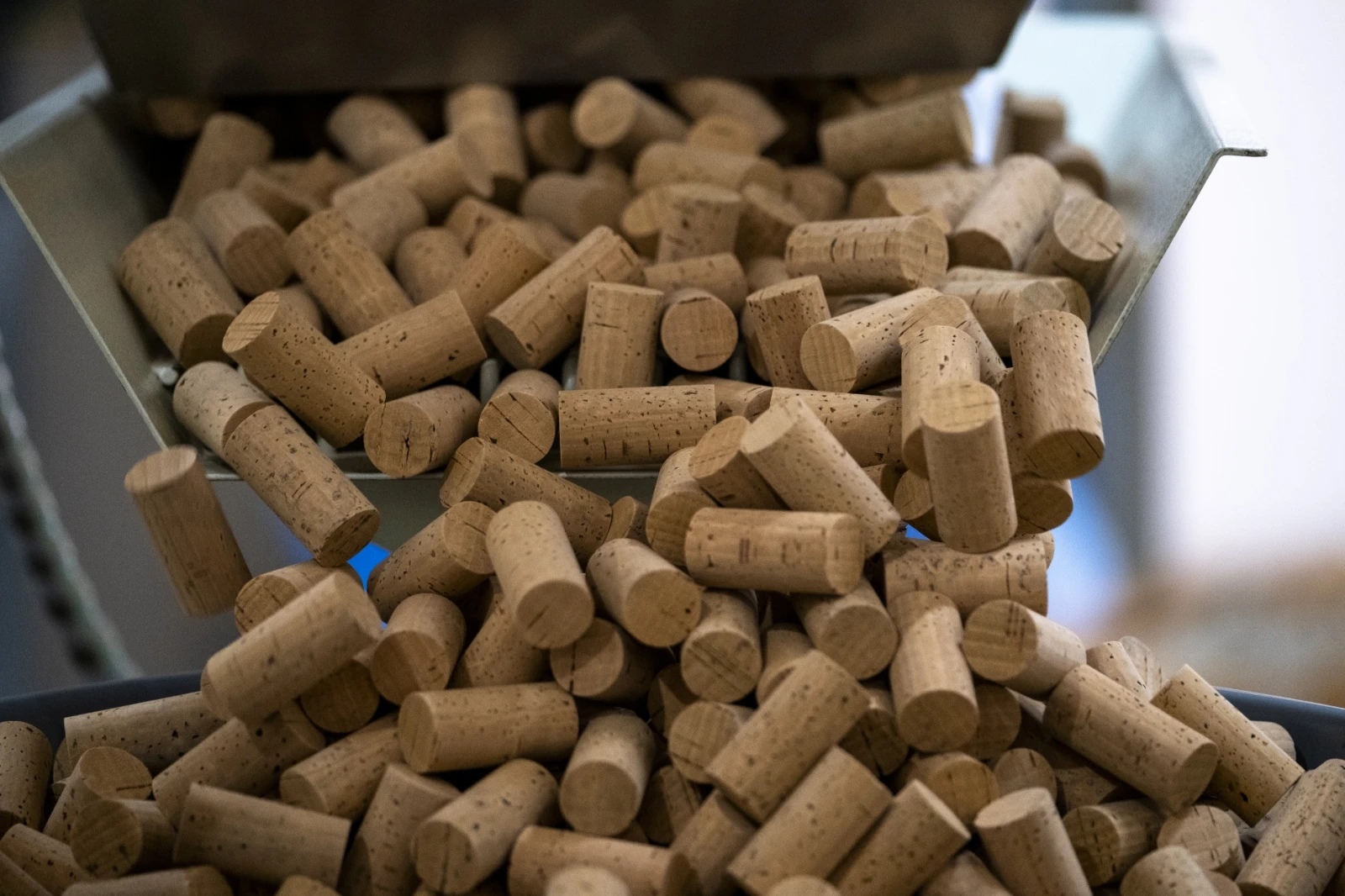
What if cork stoppers, in addition to protecting wine and actively participating in its evolution, also functioned as a protective shield against unwanted materials such as microplastics, which can now be found in all environments, including the human body? This is one of the conclusions of the study ‘Microplastic contaminations in a set of beverages sold in France’, conducted by a team of researchers from Boulogne-sur-Mer, France, who analysed the potential correlation between the packaging chosen and the levels of microplastic contamination in beverages. The study included beverages such as wine, water, soft drinks and beer sold in France. The packaging analysed included Tetra Pak, bag-in-box, glass bottles and plastic bottles.
A natural barrier
The research, published in May this year in the Journal of Food Composition and Analysis, showed that glass bottles actually had higher levels of microplastics than other types of packaging, except for wine bottles sealed with cork stoppers - which were virtually free of microplastics. The research team attributed this difference to the use of a natural material such as cork, as opposed to screwcaps, which are often coated with paint. ‘The results show that glass containers were more contaminated than other types of packaging for all beverages except wine, because wine bottles were sealed with cork stoppers instead of metal caps,’ the study states.
When analysing the contents of glass bottles, the researchers observed that most of the isolated microplastics, which could be ingested, matched the colour and composition of the paint used to coat the artificial seals, suggesting that the particles originated precisely from these caps. In the case of wine, the presence of cork stoppers virtually eliminated this source of contamination, making it the glass-packaged beverage with the lowest levels of microplastics. This study, conducted by a team from the SANAQUA Unit of the Universities of Littoral Côte d’Opale, INRAE Institute, University of Lille, University of Picardie Jules Verne, University of Liège and Junia Engineering School, reaffirms the value of cork - a 100% natural, biodegradable material that is 100% plastic- -free – as a sustainable, healthy and safe solution for the packaging industry.
© Daniel Rodrigues