Cork in the spotlight in the Lucio Costa Archive exhibition
12 October 2026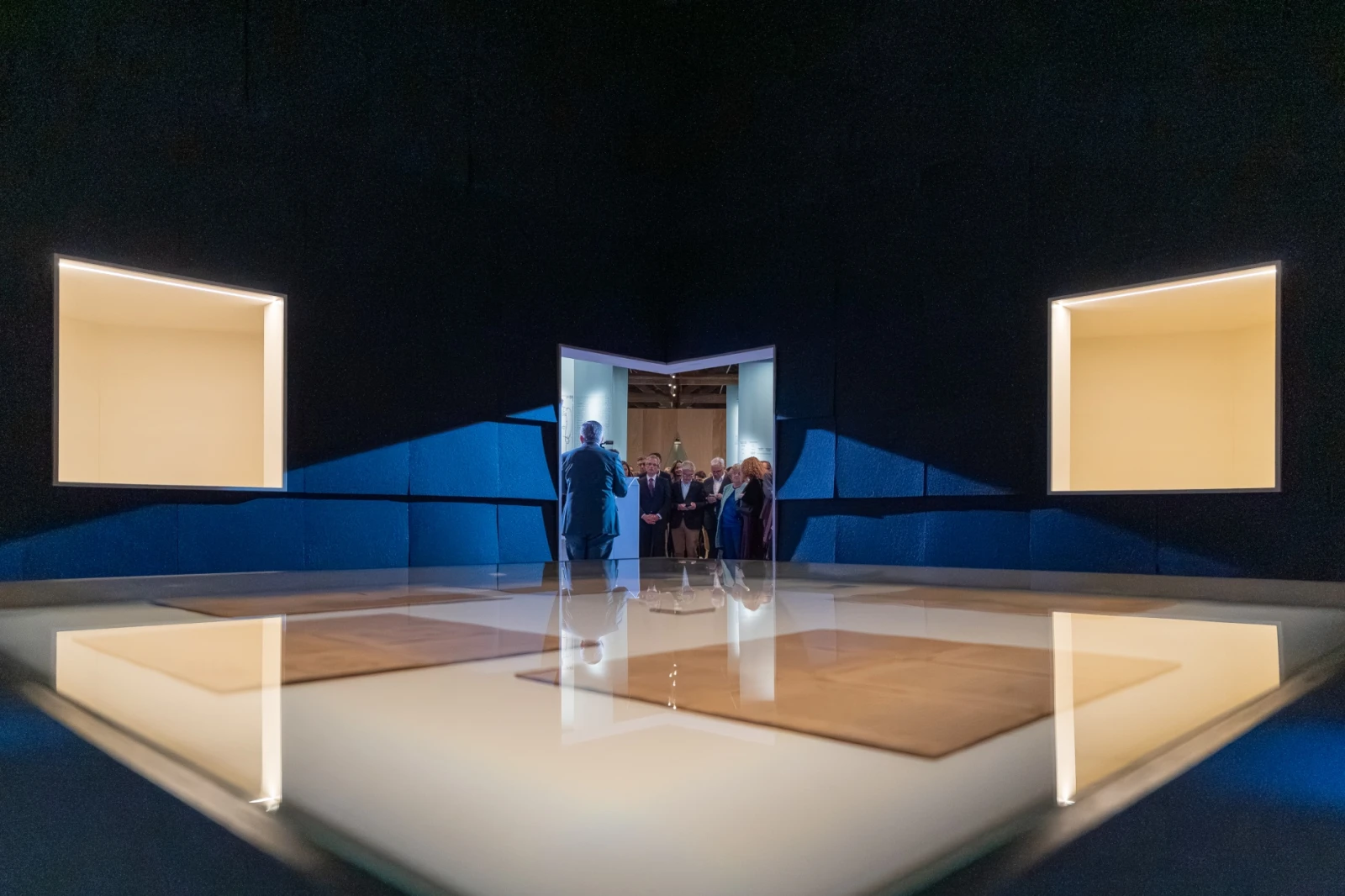
Portuguese cork takes centre stage in the exhibition design, serving to frame the original drawings of the Pilot Plan for Brasília, designed by the Brazilian urban planner in 1957.
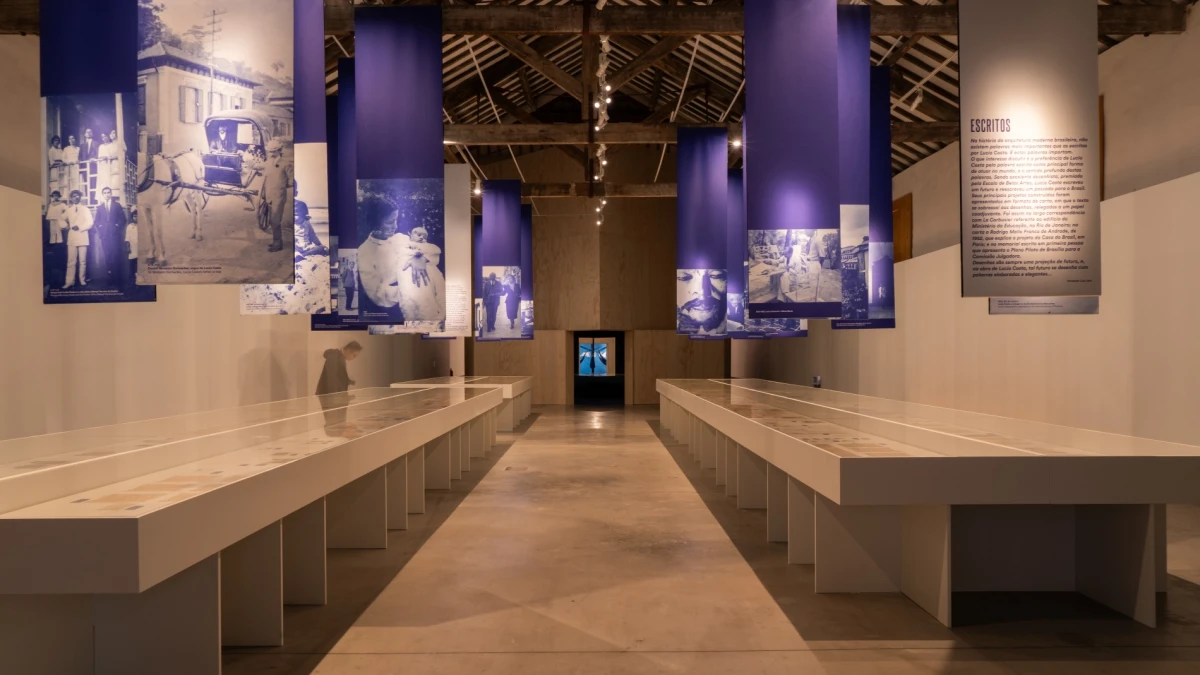
Drawing on Lucio Costa’s personal archive, that his family donated to the Casa da Arquitectura in 2021, the Lucio Costa Archive exhibition offers an in-depth exploration of the life, thought and legacy of the renowned Brazilian urban planner and architect. On display at the
Casa da Arquitectura until October 18, the exhibition is integrated within the celebrations marking the 200th anniversary of diplomatic relations between Portugal and Brazil, and presents not only the public side of Lucio Costa’s career, but above all the more private aspects of the life of the urban planner, viewed as one of the ‘fathers’ of Brasília.
The exhibition revolves around the innovative Pilot Plan for Brasília, that Lucio Costa designed in 1957, which structured Brazil’s new capital around two axes. In the central section of the exhibition – featuring original drawings of the Plan, rarely exhibited in Europe – cork is perfectly integrated into the walls, helping create an immersive atmosphere and a symbolic link between Portugal’s material identity and one of the greatest icons of modern Brazilian architecture. Cork thereby becomes an integral part of the exhibition’s spatial and sensory experience, whilst simulta neously reinforcing the cultural dialogue between Portugal and Brazil – a theme that runs throughout the exhibition – and Lucio Costa’s life story, which included several visits to Portugal. For Cristina Rios Amorim, Corticeira Amorim’s Director and Chief Sustainability Officer, this partnership “stems from a clear affinity of values and a shared vision regarding the role of culture, architecture and knowledge as forces that inspire progress and transformation. The Casa da Arquitectura is a living space of memory, thought and creation, where the past engages with the present and charts paths towards the future”.
She concludes: “For Corticeira Amorim, this partnership represents far more than just institutional support: it is a commitment to critical thinking, to contemporary creation and to an architecture that places people, materials and sustainability at the heart of our decision-making. It is in this convergence of culture, material and territory that cork takes on a new symbolic dimension — as a material of the future, regenerative and deeply connected to identity and the landscape. We believe that investing in culture and knowledge means investing in progress for everyone.”
© Casa da Arquitectura