“I think that cork will tend to be used more and more, because it has unique characteristics. I was recently doing some research about the cork cell and it’s quite amazing. We can leave a bit of cork under a stone weight for centuries and as soon as we remove it the cork progressively returns to its initial shape, which is truly astounding. No other natural material can achieve this and I also don’t know of any artificial material. I think cork is extraordinary!”
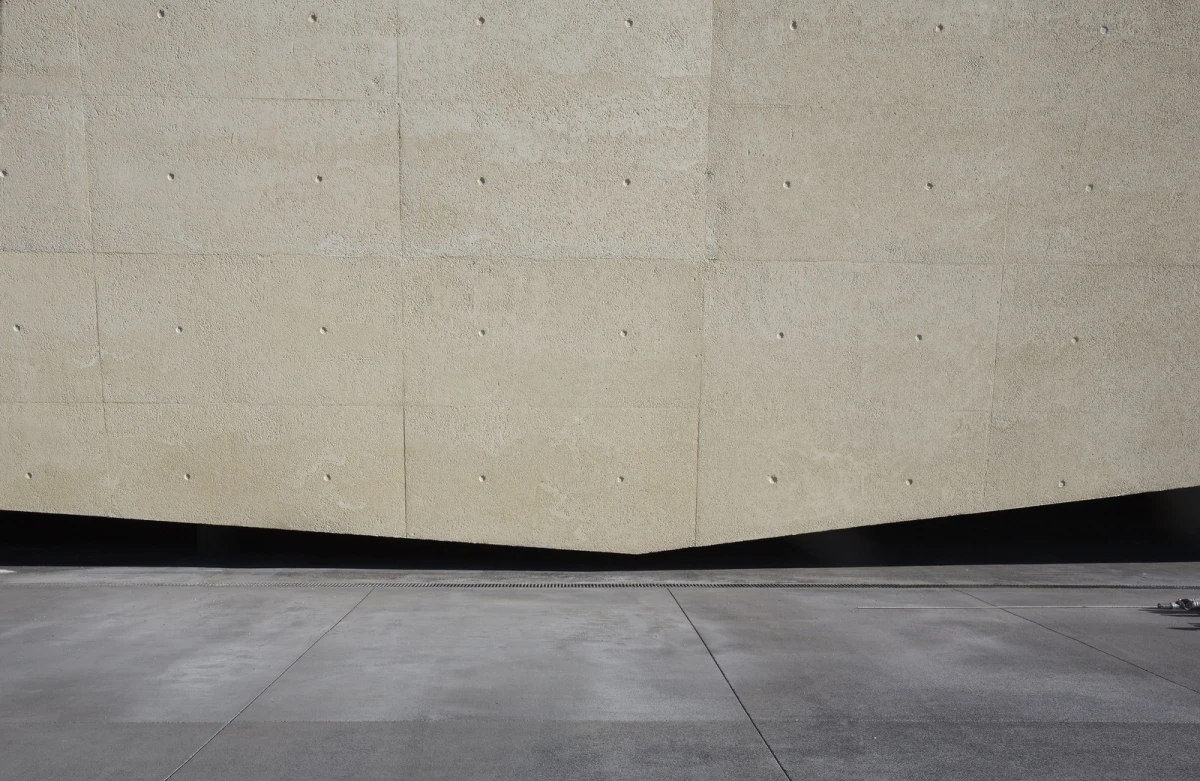
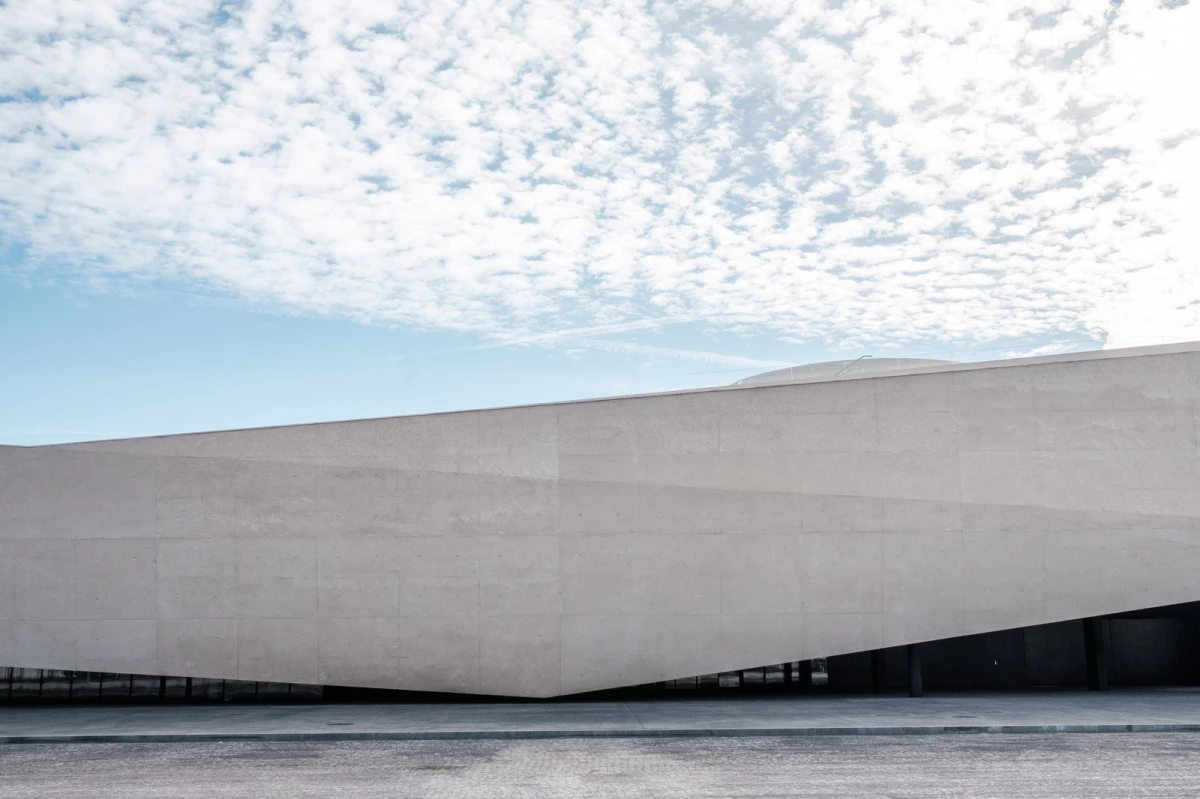
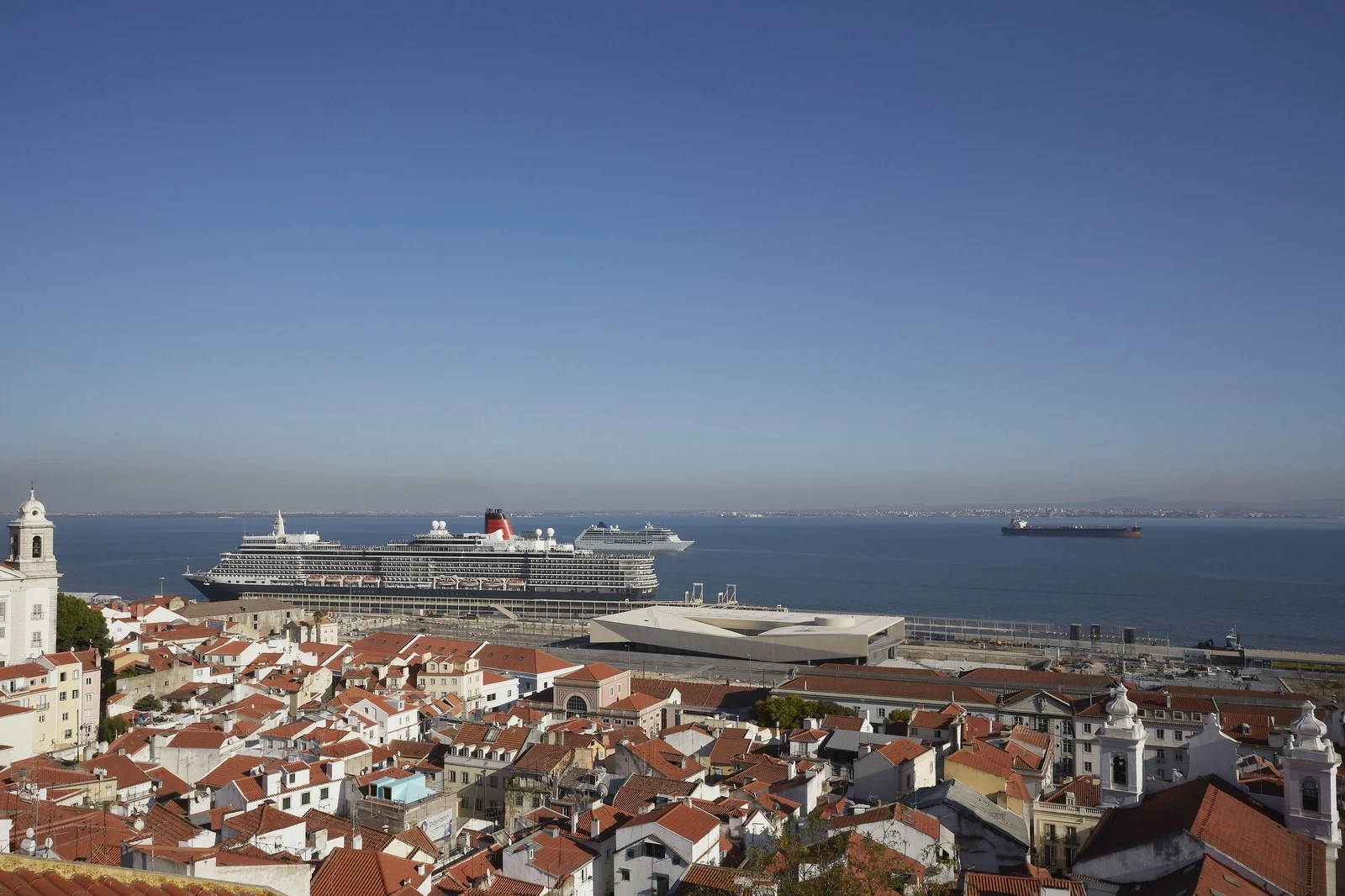
- João Luís Carrilho da GraçaThe new Lisbon Cruise Terminal, an emblematic project designed by the Portuguese architect João Luís Carrilho da Graça, has unveiled a revolutionary solution that combines concrete with cork, thereby reducing the weight of the building’s structure and creating an architectural effect of extraordinary beauty.
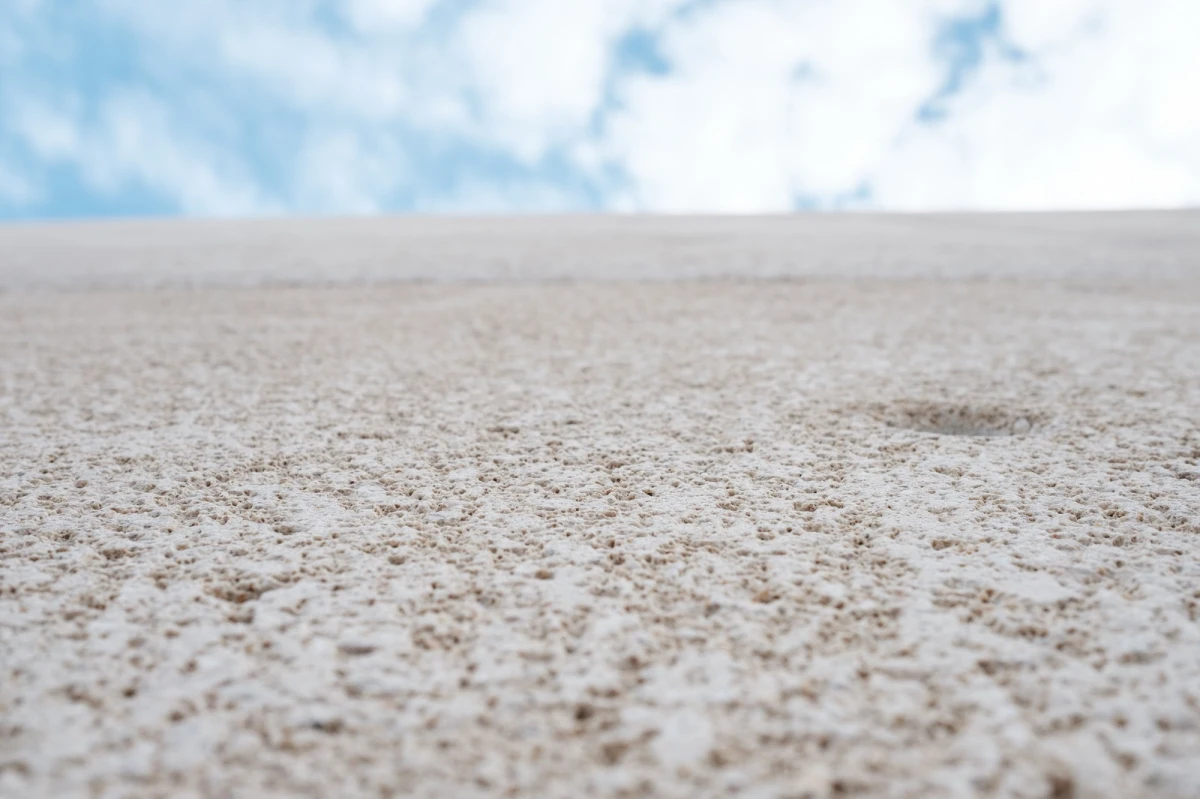
Lightweight structural white concrete mixed with granulated natural cork, applied to the building’s façades, is 40% lighter than traditional concrete. This innovative composite results from a partnership between Amorim Cork Composites, Secil and ITeCons of the University of Coimbra.
Combining the strength and beauty of architectural concrete with the lightness, durability and thermal insulation of cork, this material is lighter, more ecological and more sustainable than traditional options.
“I think that cork will tend to be used more and more, because it has unique characteristics. I was recently doing some research about the cork cell and it’s quite amazing. We can leave a bit of cork under a stone weight for centuries and as soon as we remove it the cork progressively returns to its initial shape, which is truly astounding. No other natural material can achieve this and I also don’t know of any artificial material. I think cork is extraordinary!”
- João Luís Carrilho da Graça